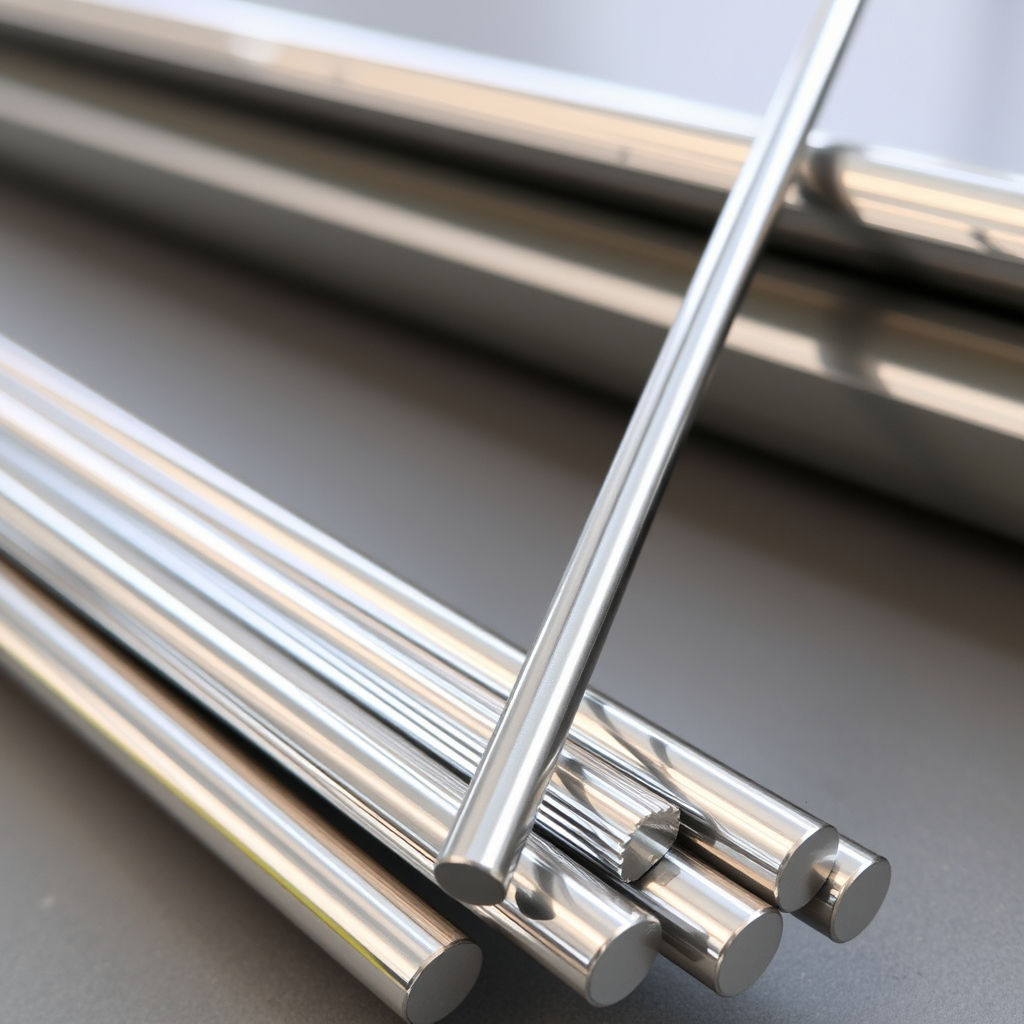
1. What are molybdenum tungsten alloy rods?
Molybdenum tungsten alloy rods are cylindrical refractory metal products composed primarily of molybdenum and tungsten. They are used in high-temperature equipment, glass processing, molten-metal handling, and specialized industrial components.
2. What are the common grades of Mo-W alloy rods?
Common compositions include 70 wt.% molybdenum / 30 wt.% tungsten and 50 wt.% molybdenum / 50 wt.% tungsten. Other compositions may be available depending on the manufacturer and application.
3. What are molybdenum tungsten rods used for?
Typical applications include molten-zinc processing components, glass-industry stirring tools, refractory pins, high-temperature tooling, and custom industrial parts. The appropriate grade depends on operating temperature, chemical exposure, mechanical loading, and service conditions.
4. Can molybdenum tungsten alloy rods be supplied in custom diameters and lengths?
Yes, custom dimensions may be available. Specify the diameter, overall length, dimensional tolerances, straightness, surface finish, alloy composition, and required material condition when requesting a quotation.
5. What is the difference between molybdenum rods and molybdenum tungsten alloy rods?
Pure molybdenum rods contain predominantly molybdenum, whereas Mo-W alloy rods incorporate tungsten to modify properties such as high-temperature strength, recrystallization behavior, and resistance to selected corrosive molten metals. The exact benefits depend on composition and processing.
6. Can REG Metals source Mo-W rods with a COA and custom specifications?
REG Metals can assist with sourcing rods to project requirements. A COA, chemical composition report, SDS, and dimensional inspection report can be requested, subject to supplier availability. For critical applications, specify the alloy ratio, tolerances, material condition, quantity, and traceability requirements.